MEINE VERGIFTETE HEIMAT
Interview with Sabih
Mathematics' handbooks
Grapes of wrath
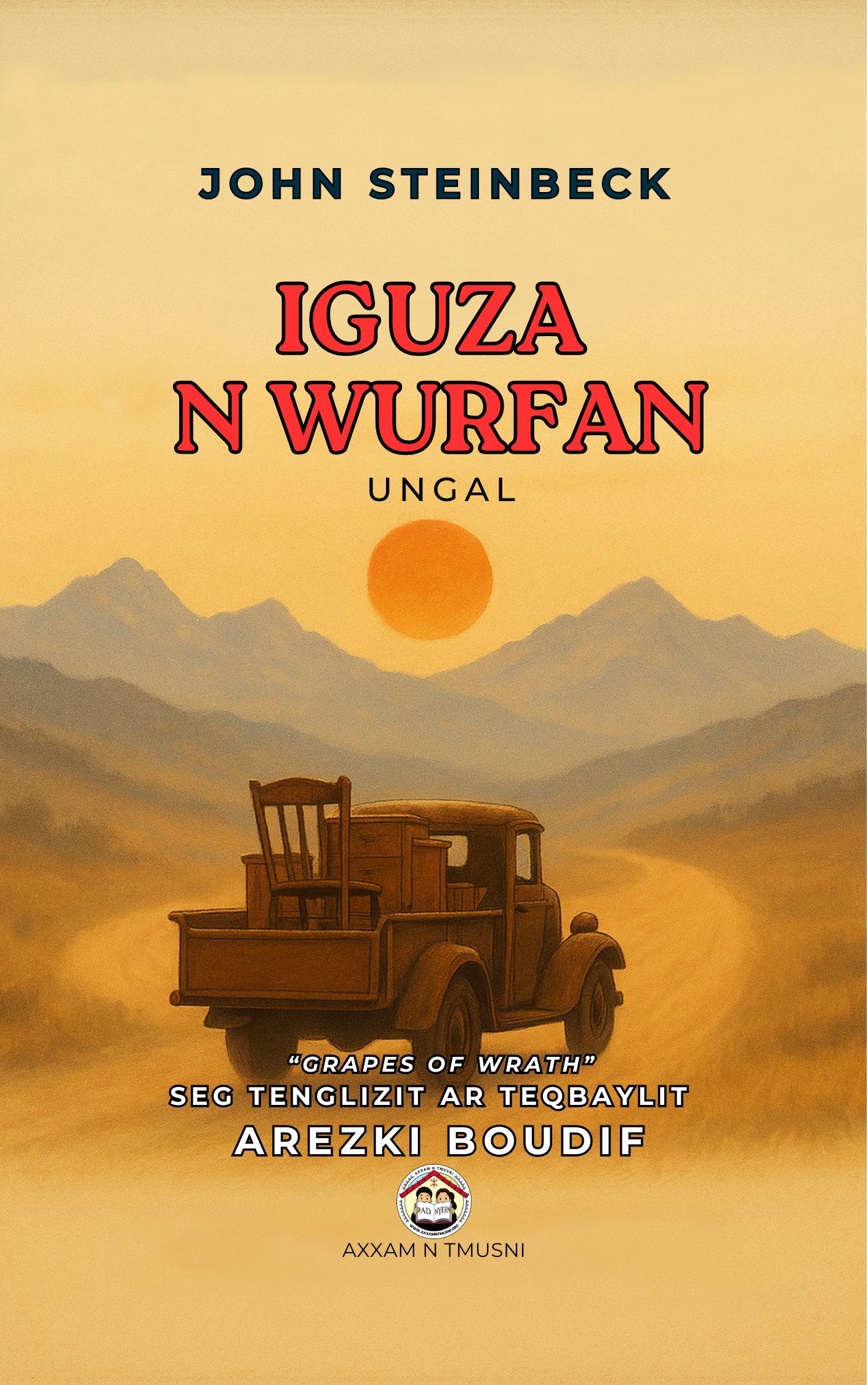
Arezki Boudif translated into Kabyle, "Grapes of Wrath" by John Steinbeck, American writer who won the Nobel Prize in 1962.
The dust covered the fields, the ground shook, families were displaced, they began to flee.
Oklahoma, in the 1930s, Joad and his family took Road 66 to California, the road to dreams, to peace of mind, to peace of the stomach. Word got out about a work Eldorado! Where? California. The flight broke out. The Grapes of Wrath tells the story of Joad's family in their quest for a better life. They hope to find a job and a little dignity. But what they encountered was the American nightmare: poverty, oppression, violence and struggles. Through their struggle, Steinbeck portrays a picture of human solidarity in the face of social injustice, in the face of capitalism.
The novel was translated into Kabyle by Arezki Boudif, a researcher in the field of biotechnology in the United States.
Tadiwennit aked Samya
Essential Computer Science Vocabulary
kabyle-français-anglais

All rag’s journey to sacred heights
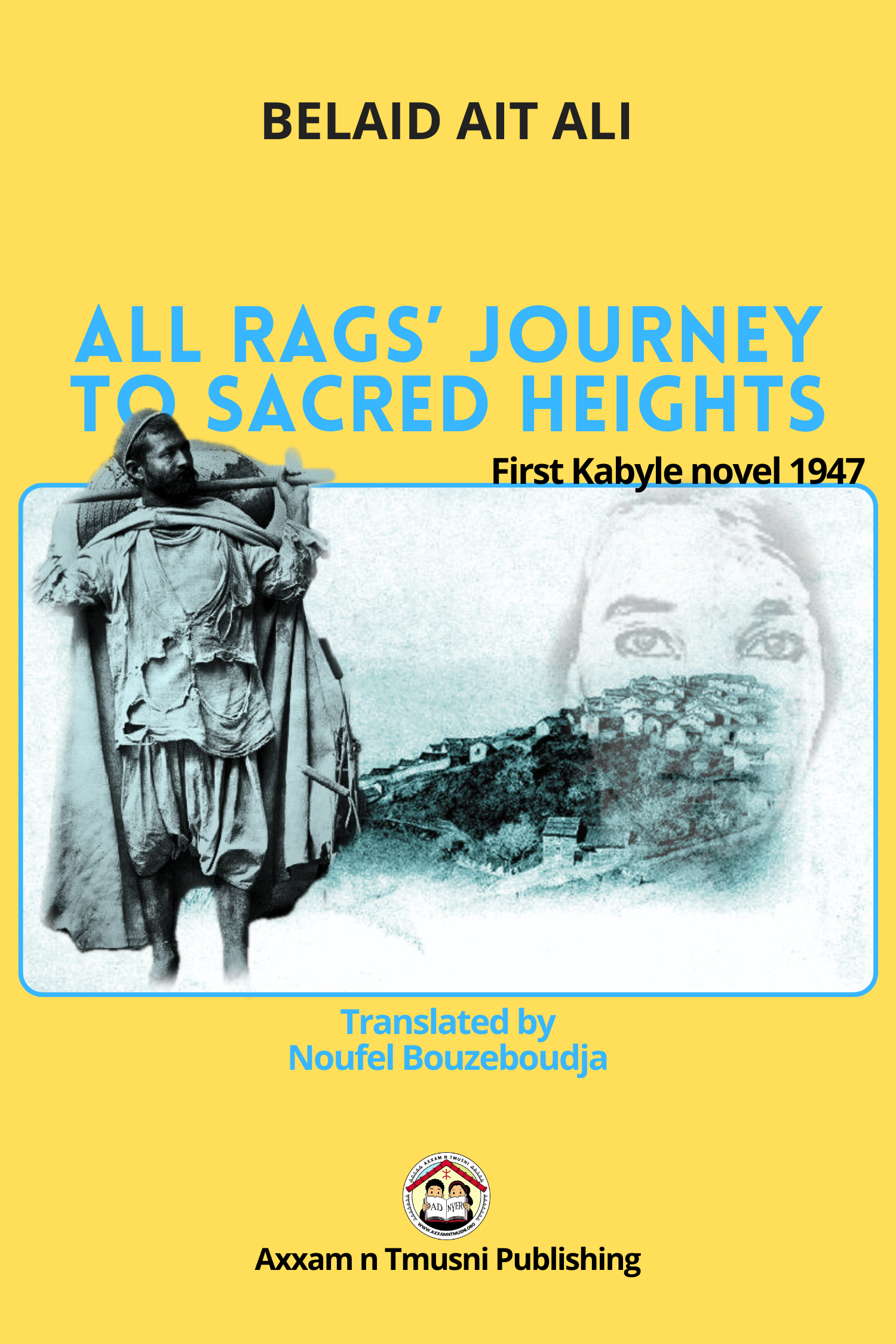
Translated from Kabyle Noufel Bouzeboudja
Original title in Kabyle :
LWALI N WEDRAR (The Saint Man of the Mountain) « All Rags’ Journey to
Sacred Heights » tells the captivating tale of a gentle giant whose humble
beginnings and simple nature earned him the nickname that would define his
life. Despite enduring poverty, ridicule and hardship, he found solace and
strength in his wife, Thumbelina, whose quiet resilience and unwavering support
shaped their harmonious life in Thagmount-Ath-Moussa.
As fate would have it, All
Rags’ journey took an unexpected turn when he stumbled upon the village of
Pass-of-the-Ferns, where divine intervention and communal faith led to his
unlikely rise as the village spiritual Guide. Through trials and challenges,
including encounters with the tyrant Big Head and the mysterious Princess
Sekoura, All Rags’ wisdom and compassion earned him respect and admiration,
solidifying his reputation as a revered spiritual leader known as the Saint Man
of the Mountain.
Set against a backdrop of
belief, community dynamics, and the complexities of spiritual leadership in
Kabyle society, « All Rags’ Journey to Sacred Heights » is a poignant
exploration of resilience, quest for meaning, , justice and the transformative
power of kindness in the face of adversity. By delving into these universal
concepts through a Kabyle lens, Belaid Ait Ali bridges cultural divides and
invites the readers to connect with the shared aspects of humanity.
« All Rags’ Journey to
Sacred Heights » holds a significant place in literary history as the
first Kabyle novel, penned by Belaid Ait Ali in 1947. He remains a pioneering
figure in Kabyle literature, and laid the foundation for a rich tradition that
would follow. Despite his groundbreaking work, Belaid Ait Ali’s contributions
remained largely overlooked for decades, overshadowed by the indifference of
“Big Heads” in his own homeland. This novel not only stands as a testament to
Belaid Ait Ali’s literary prowess but also serves as a tribute to his determination.
Tadiwennit aked Noufel
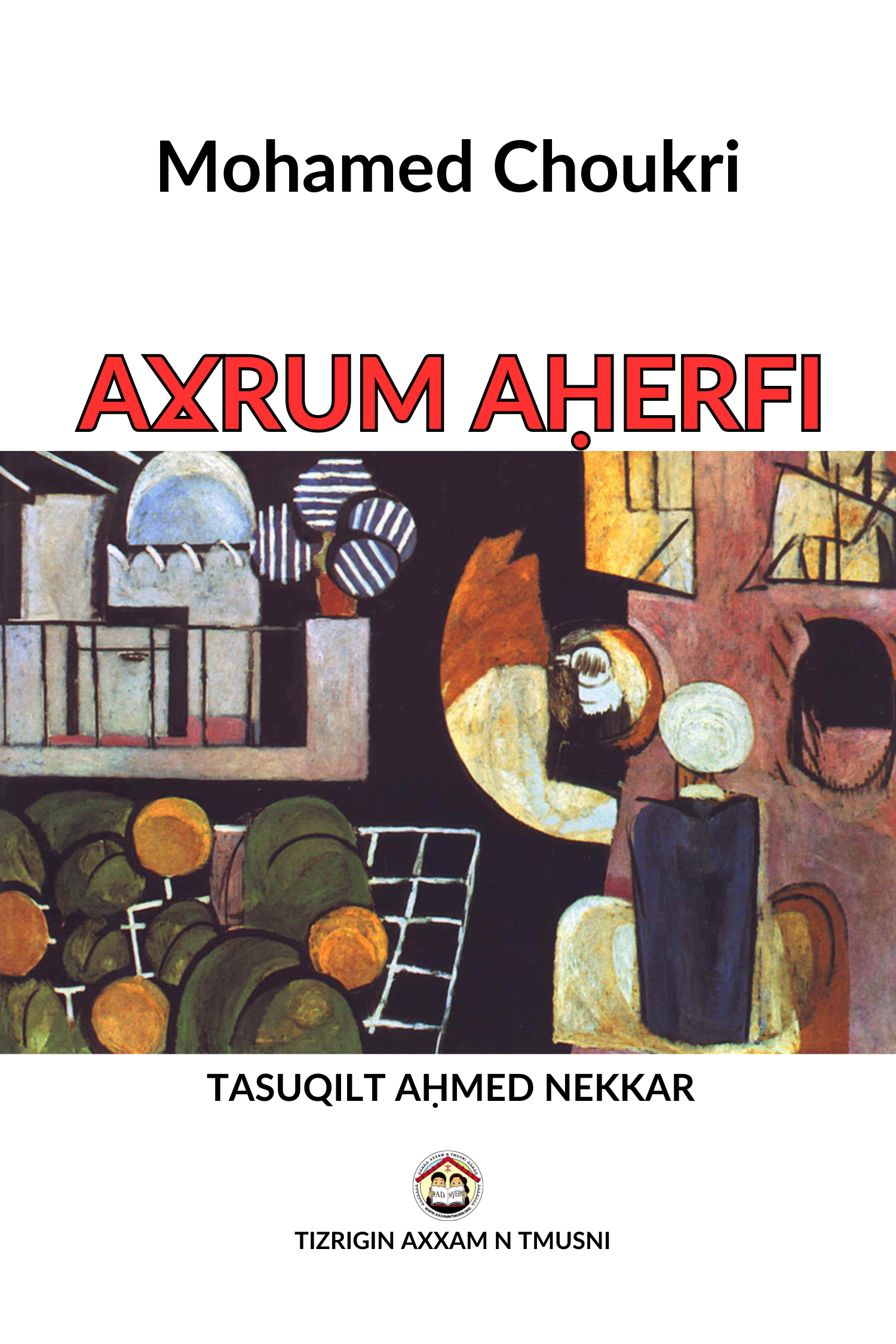
Raw Bread. It's the story of a young man. It is the story of the writer, Mohamed Choukri, who fled the famine and suffering in the Rif in the 1950s.
From a road to road, from suffering to suffering, street to street, when a joint dies up, another one gets ignited. A life of poverty, hunger, market robberies, joblessness, disease. It's the life marked by his father's hatred. His father who killed his brother, the one who terrorized his mother and him even though in his life away from him! A life of abuse of women, of children, a life of searching for bread raw, dry, hard! It is also a life of hope when, at the age of 20, he began to learn to read and write!
Choukri's book was banned for many years! It was published in English in 1972, in French in 1980. Today, it is published in Kabyle, a translation of Ahmed Nekkar, may he rest in peace!
For bread alone
Mathematics' handbooks
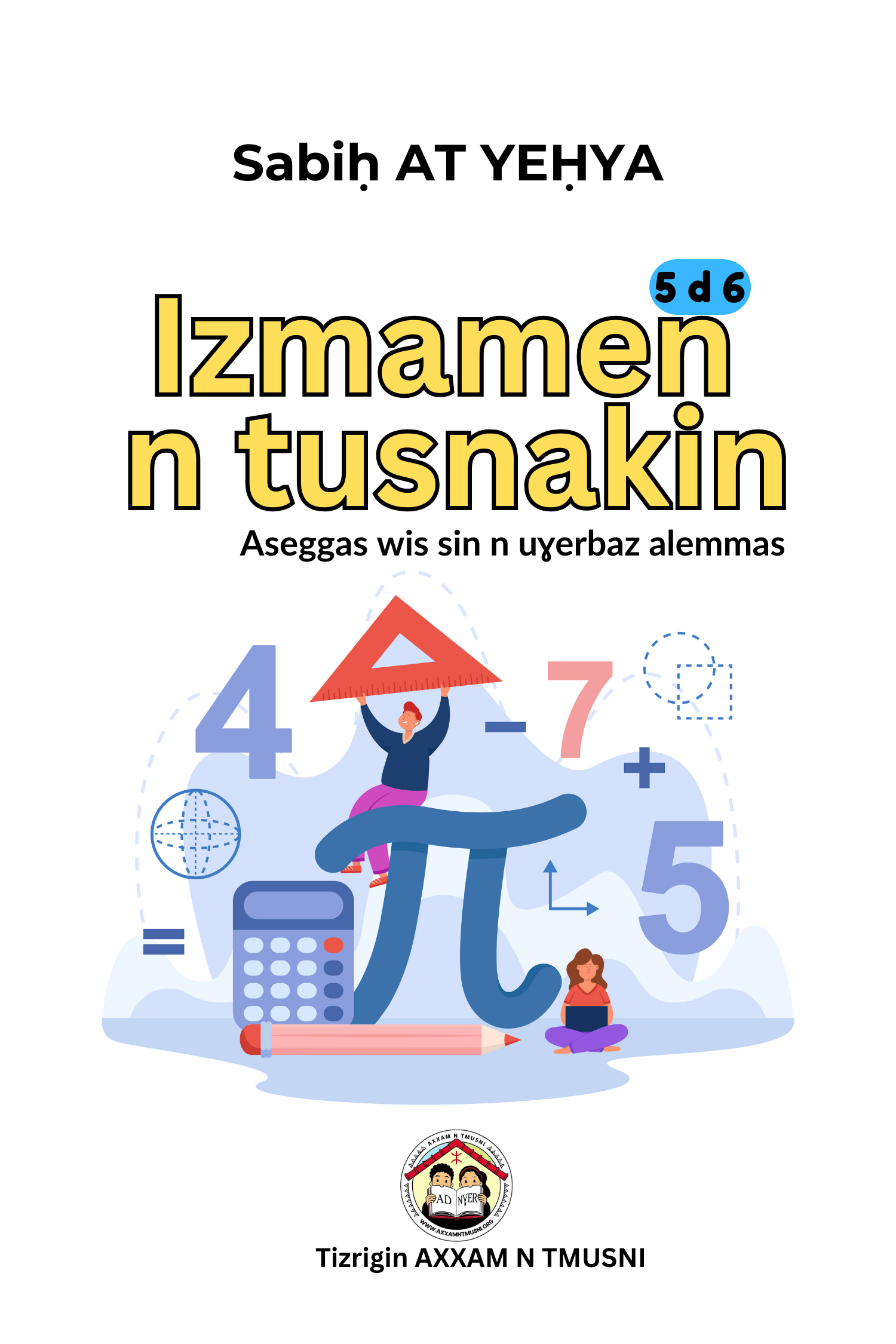
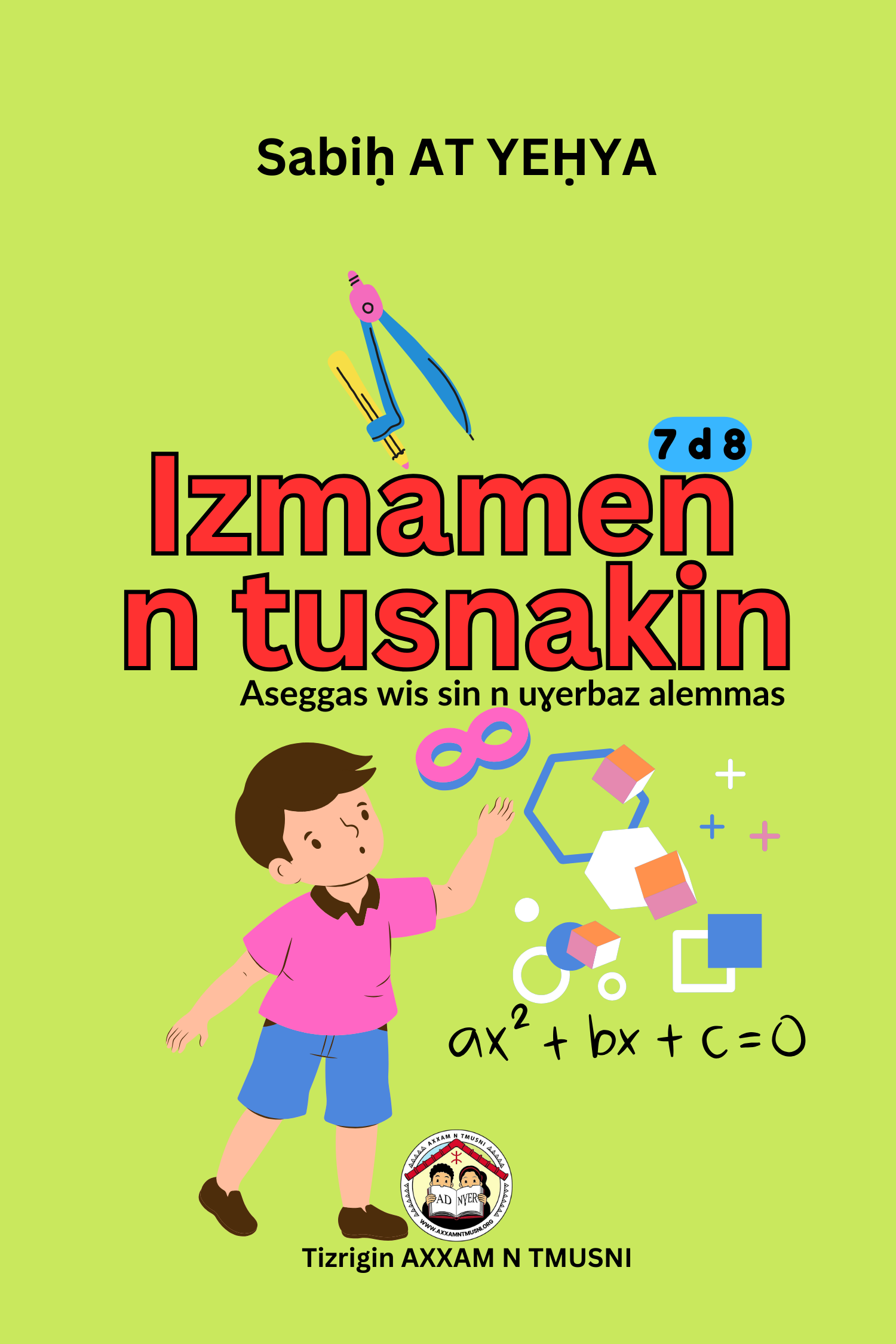
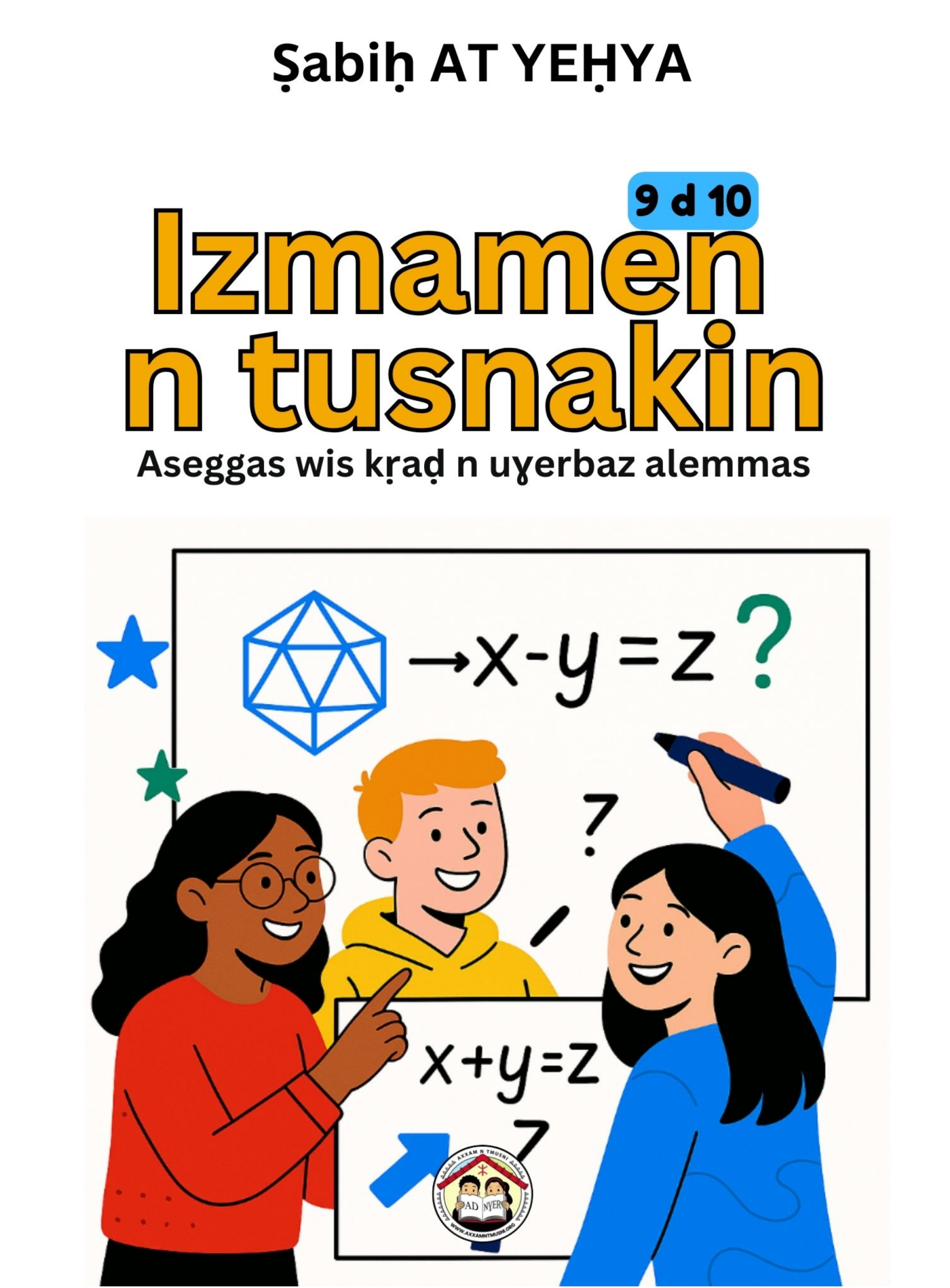
Izmamen n tusnakin, aɣerbaz alemmas.
Science is like grandparents' stories to those who know how to teach it, because behind every science there is a story. It is the story of the life of the person or persons who brought this knowledge. This story can be considered a learning experience. Every science has its own history. The teacher should use this history to teach science to the student. Thus, science is based on everyday life to facilitate learning, and science can also become a part of everyday life.
This book brings a new pedagogical form that is not found in the textbooks of Algeria or France, which will therefore be very suitable for the Kabyle learner living in Kabylia or France or other parts of the world.
In this book, you will find two books; each book contains
two or three chapters selected according to the didactic approach of the author that will help the child in his educational path to understand mathematics. All the chapters have one form, divided into sections.
Each section has its own lesson and exercises; additionally, the first sections serve as a review of the previous year. In every chapter, there is a focus on problem-solving and foundational consolidation. We will conclude each chapter with an online assessment lasting 60 to 75 minutes. At the end of the workbook,
there is also a review of all the chapters.
Interview with Manis
Rebirth and Resilience
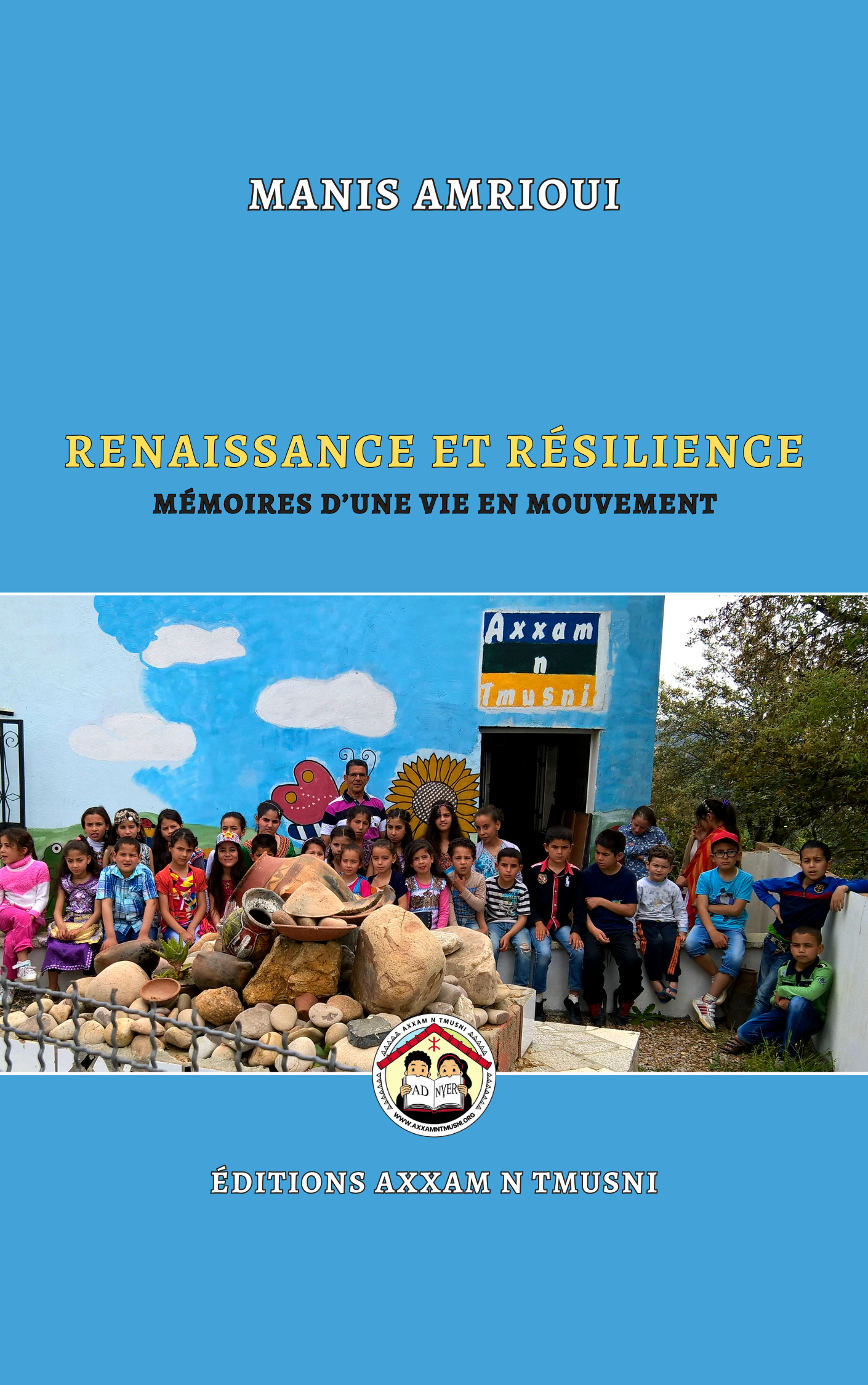
Translated from Kabyle by Noufel Bouzeboudja
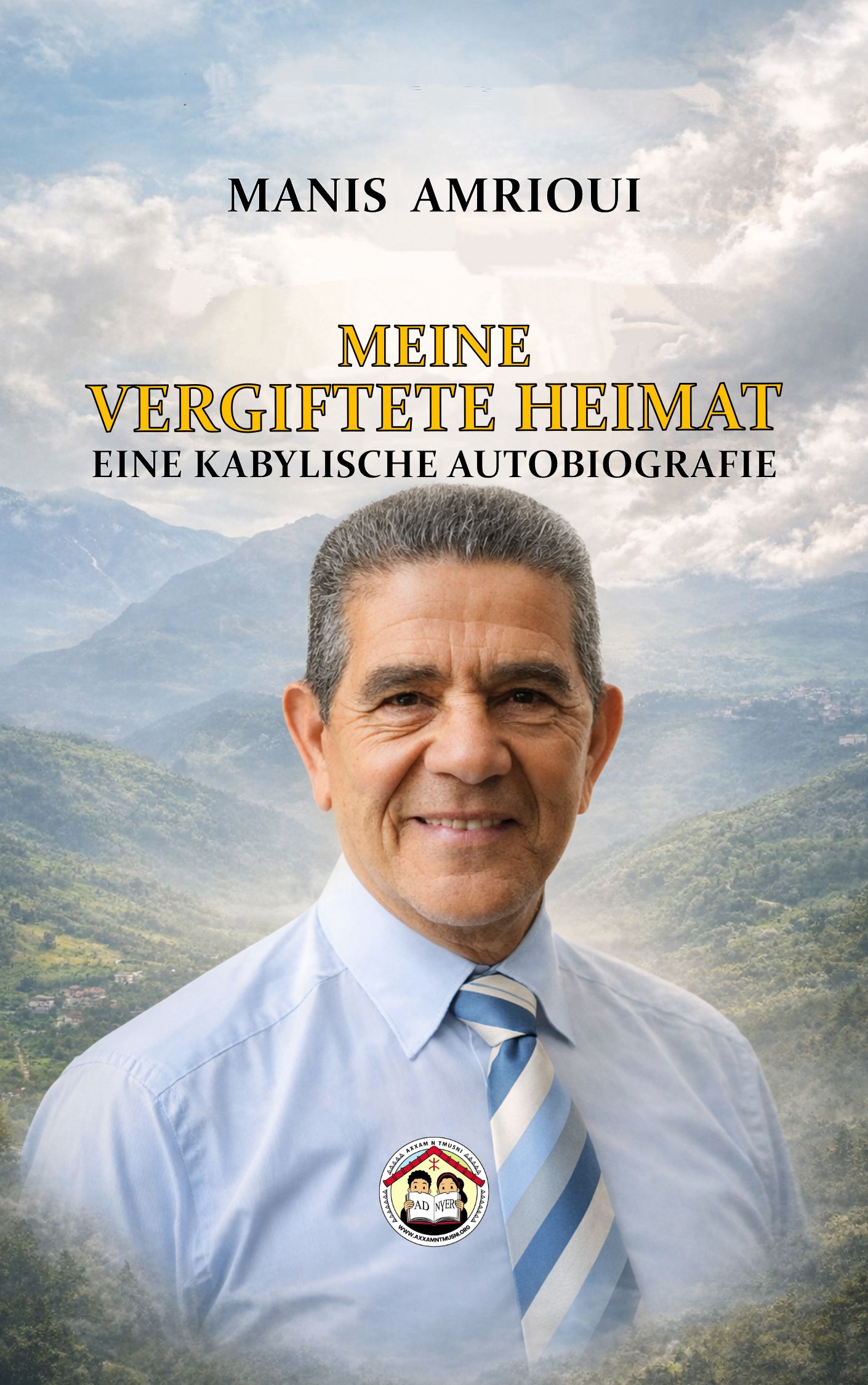
By publishing this book, I finally feel reborn! I
was born in Kabylia, where my family was constantly torn apart, fleeing the persecutions of the wars my country has known. The commitment of my father and my
brothers to the struggle against French colonization and the war against Ben Bella’s henchmen was also decisive.
We endured many hardships, hunger, and
cold. The bombing of our house by the French army tore the whole family apart.
My mother lost an arm, one of my brothers was hit in the foot, and another in the head. I am the only one who had the chance to pursue an education. After attending the famous high school in Dellys, I left for Germany where I became an engineer.
Like a swallow, I have never stopped returning to my native land. Now, at 73 years old, I live in exile, deprived of joy by the Algerian regime which prevents me from returning to my country, accusing me of terrorism simply because, like thousands of Kabyles, I aspired to freedom and democracy. Over the last 20 years, this regime has intensified its repression against Kabyle culture and people, seeking to stifle its language and identity within acculturating ideologies. All these trials prompted me to take action and develop projects aimed at preserving my culture, my language, and my identity!
I have realized multiple initiatives for the children of my country, most notably Axxam n Tmusni (The House of Knowledge). A simple garage transformed into a school that defied the oppressors of knowledge. However, the Algerian power, faithful to its usual Machiavellian practices, has methodically hindered all innovative initiatives, any alternative thinking, and every form of dissent against its despotism.
This book is a testimony of my life experience.
A life full of joys and frustrations, but an unwavering commitment to the children of my Kabylia.
It's no joke by Massi Hadbi

Interview with Massinissa Hadbi
It's no joke is a collection of poems in which Massi, through his feelings, contemplates the ideas of his time. It's no joke! He brings freedom and love together on the same stage. This stage sometimes blooms, while at other times it is messy and troubled."
Too many prisons, too many rules, it's no joke!
Massi, with his pen and his art, refuses the shackles that would lock away his mind and his ideas; for an artist is free in love, in his call, and in his art. He fears no authority, be it social, political, or military. They cannot control him, nor can they contain his imagination. Yes, it is no small talk! The poet does not forget the tragedy of his country, nor does he forget his brothers in the struggle for the Kabyle cause, those who have been shackled. The poet does not forget the weeping mother, she who has never fallen silent.
It's no joke! From love and tenderness to the cry of the prisoner, from the burning mountain to the cities of dreams and art.
Interview with Manis
My rebirth by Manis Amrioui

My rebirth by Manis Amrioui
Adlis amezwaru n Tezrigin-nneɣ d Talalit-iw tis snat n Manis Ɛemriwi. D adlis ideg i d-yettmeslay ɣef tmeddurt-is ɣef lmerta d tumert i d-yemmuger di lgirrat i iɛeddan ɣef tmurt, ɣef imawlan-is, ɣef Yeqvayliyen.
Wagi d adlis i uxemmem ɣef tmagit, ɣef tudert, ɣef umennuɣ mgal afettek d usenger. D adlis yura xas akka yessaweḍ ugar n 70 iseggasen. D adlis i d-yettmeslayen ɣef Manis, amdan, iran ayen yelhan i warrac d teqcicin n tmurt-is : Tamusni, tusni, tatrarit, tadimuqṛaṭit n tidet.
Xas inig (lɣuṛva) yewɛeṛ fell-as, xas yekka-d akk timura, allaɣ-is yezga ar tmurt-is taqvaylit. Yesnulfa-d isenfaṛen, ur yegi ara idiskuren, icemmeṛ i yiɣallen-is, imud tadrimt-is, yesnulfa-d, ladɣa, Axxam n Tmusni, agaṛaj yuɣalen d aɣervaz yesrehven iseggaden n tmusni d tlelli.
Waki d adlis i yessefk ad iɣeṛ yal yiwen acku, xas ma d tameddurt n Manis, yella wacu ad yegzu wemdan ɣef wemdan, ɣef udavu, ɣef tevɣest, ɣef umennuɣ, ɣef umezruy n tmurt.